
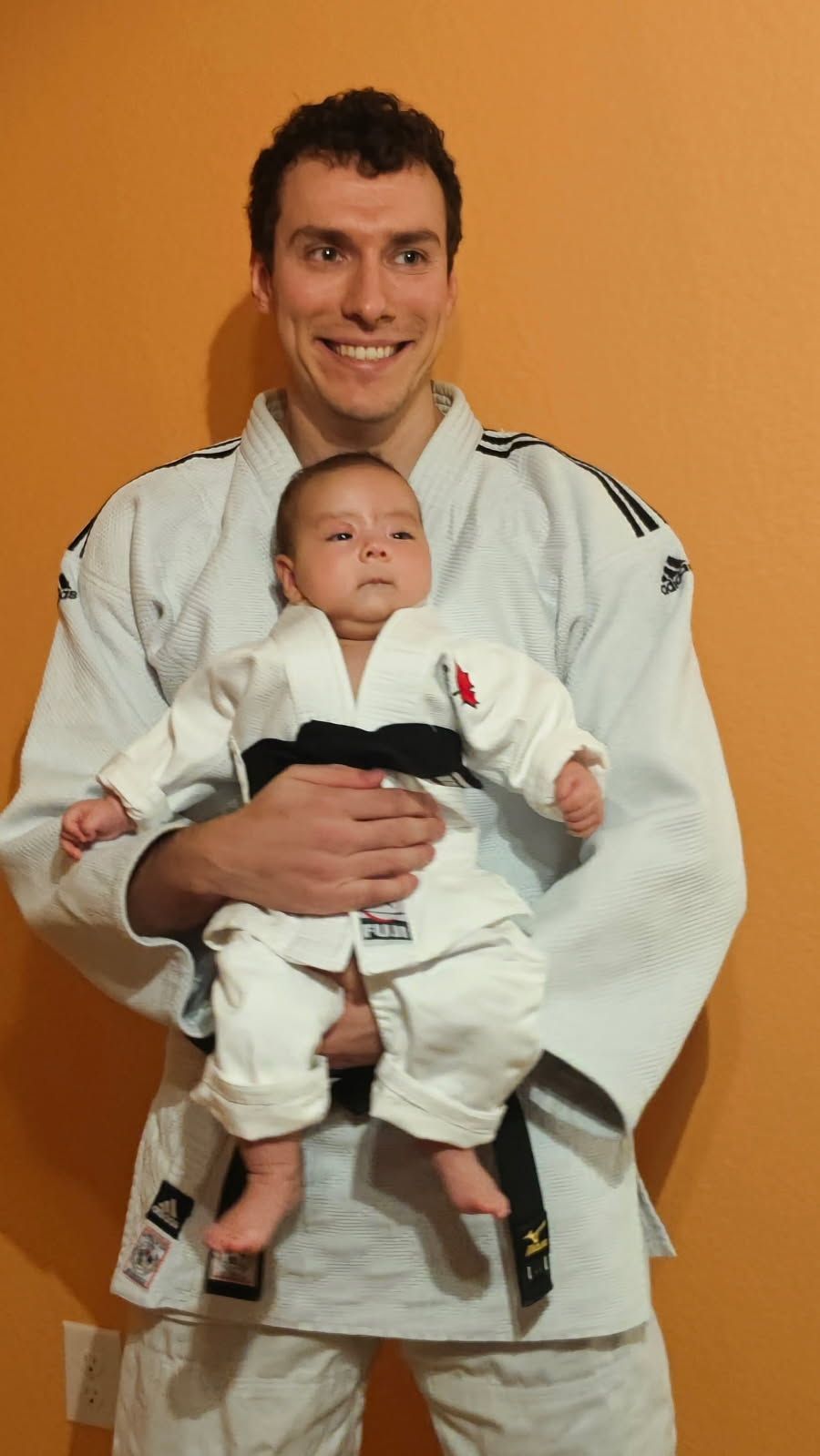
Judo gives your family a shared challenge, a shared language, and a shared win at the end of every class.
When families look for an activity everyone can actually stick with, the options often split fast: one person wants fitness, another wants confidence, and the kids just want something that feels fun instead of forced. Judo solves that problem in a surprisingly practical way. It is physical, yes, but it is also social, skill-based, and built around cooperation.
In our classes, we see families connect through small moments that add up: a parent learning how to fall safely right alongside a child, siblings practicing grips without arguing (most days), and everyone leaving with that slightly tired, clear-headed feeling you only get after focused training. If you want Martial Arts in Pasadena that feels like a real family routine, not another short-lived experiment, Judo fits.
Just as important, Judo has a documented track record for improving physical fitness, social skills, and emotional well-being across age groups. The training environment is structured, supportive, and full of immediate feedback, which is a fancy way of saying you do not have to guess how you are doing. You feel it, you refine it, you improve together.
What Makes Judo a True Family Activity (Not Just a Kids Class With Parents Watching)
A lot of activities put family members in separate lanes: kids do their thing, adults do theirs, and you meet back up in the car. With Judo, the training itself can become shared time. You are learning the same core concepts, using the same vocabulary, and solving the same movement puzzles.
Judo is a partner-based martial art, so connection is built into the format. You work with another person, you learn to give appropriate resistance, and you learn to stay calm while someone else is trying to off-balance you. That sounds intense, but the reality is more controlled than people expect. We scale intensity, choose safe pairings, and coach you through the process step by step.
This matters for bonding because families need more than “quality time.” You need quality interactions: cooperation, a little challenge, a little laughter, and enough structure that nobody is stuck wondering what to do next.
The Bond-Building Skills Judo Teaches Without Making It Awkward
You learn trust through controlled contact
Judo training teaches you how to work closely with someone while staying respectful and safe. That is a big deal for kids and teens, and it is just as useful for adults who have not done a contact sport in years.
Because the rules and etiquette are clear, you do not have to negotiate everything verbally. You bow, you grip, you practice, you reset. That rhythm can feel oddly calming, especially for families who are busy and stretched thin.
Research on judo and related training environments points to improvements in psychosocial health, self-confidence, and satisfaction when parents and kids participate together. That lines up with what we notice on the mat: as skill grows, the tone at home often shifts too. People communicate more directly and react less dramatically, because the body has practiced staying composed.
You learn emotional control in real time
In Judo, you cannot “power through” everything. If you get frustrated, you get off-balanced. If you rush, you leave openings. Training rewards steadiness.
Studies also note improvements in emotional expression and self-control through judo participation. In plain terms, you get practice feeling something strongly, then choosing what to do next. That is a life skill, and it is one your whole family can practice together.
You learn to take falls, literally and mentally
Ukemi, or breakfall training, is one of the most family-friendly parts of Judo once you experience it. Everyone learns how to fall safely, how to protect the head and neck, and how to get back up without panic.
That physical skill turns into a mindset. When a child messes up a throw, we do not treat it like failure. We treat it like data. Try again. When a parent gets it wrong, the kids see what resilience looks like up close, not as a speech.
Why Judo Works for Multiple Ages Under One Roof
Families are not all in the same stage of life, so an activity has to flex. Judo does. Research shows benefits across a wide range of populations, including children with different developmental needs and older adults, which highlights how adaptable the training can be.
We keep classes structured and progressive. Beginners learn posture, movement, and safe falling before anything gets fast. As you improve, the complexity increases in a way that still feels manageable.
Here is what that flexibility often looks like in practice:
• Kids build coordination, balance, and body awareness through games, drills, and partner work that stays supervised and safe
• Teens get a challenge that feels legitimate, plus a place to practice composure and responsibility
• Adults get full-body conditioning, skill development, and a mental reset that is hard to replicate with a treadmill
• Parents and kids training at the same time share a routine, shared goals, and a shared sense of progress
And because the art is technique-forward, you do not need to be the strongest person in the room to get something out of it. That is one reason adult Judo in Pasadena can feel welcoming even if you are returning to fitness after a long break.
What a Family-Friendly Judo Class Actually Feels Like
If you have never watched a Judo class closely, you might imagine constant throwing and hard impacts. Real beginner training is more methodical. We start with the basics that keep you safe and help you improve quickly.
A typical class flow includes warm-ups that build mobility and coordination, technical instruction where we break down a skill in simple steps, and partner practice where you repeat the movement with coaching and adjustments. Depending on the class and experience level, we may add light situational practice so you can feel how timing and balance work under pressure, without turning it into chaos.
The vibe matters, too. Families do best in an environment where effort is expected but nobody is shamed for being new. Our coaching style stays direct, supportive, and pretty practical. We want you to understand what you are doing and why it works.
The Hidden Benefits Families Notice Outside the Gym
Judo is not just “exercise plus techniques.” It tends to spill over into everyday life in useful ways.
Better communication without extra talking
Because training requires you to read posture, grips, and movement, you get better at noticing cues. That awareness can translate into fewer misunderstandings at home, especially between parents and kids who sometimes talk past each other.
More confidence that is earned, not hyped
Judo confidence comes from repetition and proof. You learn a skill, you apply it, you improve it. That is why the confidence feels steady instead of fragile.
Stress relief that feels clean
After class, most people feel tired in a good way. The mind is quieter. The shoulders drop. Families often tell us that evenings go smoother on training days, partly because everyone got to burn energy and focus on something structured.
A shared identity that is not screen-based
When your family trains Judo, you develop inside jokes, shared milestones, and a sense of being on the same team. It is not forced togetherness. It is earned through practice.
How We Keep Judo Safe, Supportive, and Sustainable
Safety is not a side topic in Judo. It is built into the training.
We coach breakfalls early and revisit them often. We match partners thoughtfully. We keep the room supervised and the pace appropriate for the level. And we emphasize respect, because a good training partner is someone you can trust.
If you are worried about injuries, you are not alone. The solution is not avoiding challenge, it is learning how to progress correctly. When you train with structure, you gain body control, joint awareness, and the ability to handle contact calmly. That is exactly what makes the art so practical for families.
Simple Ways to Make Judo a Family Routine (That You Will Actually Maintain)
Motivation is nice, but routines are what create results. Families who thrive in training usually do a few things consistently.
1. Pick a realistic weekly schedule and protect it like an appointment
2. Arrive a little early so nobody starts class stressed and rushed
3. Set small goals like mastering a breakfall or improving grip fighting basics
4. Talk about progress at home in a low-key way, not like a performance review
5. Celebrate consistency more than perfection, because that is what builds momentum
If you want Martial Arts in Pasadena that supports long-term growth, this kind of rhythm matters. It is not about being intense every day. It is about showing up, learning, and letting the process work.
Ready to Begin
Building stronger family bonds is not about finding a magical activity that fixes everything overnight. It is about choosing something that gives you repeated chances to cooperate, communicate, and improve together. Judo does that in a way that feels honest: you practice, you struggle a bit, you laugh, you learn, and you leave better than you arrived.
That is the experience we aim to deliver every day at Champion Martial Arts & Fitness. If you are interested in adult Judo in Pasadena, training with your kids, or simply adding a meaningful routine to your week, we will help you start at a pace that makes sense and progress from there.
Become part of a community committed to growth, respect, and skill by joining a Judo class at Champion Martial Arts & Fitness.