
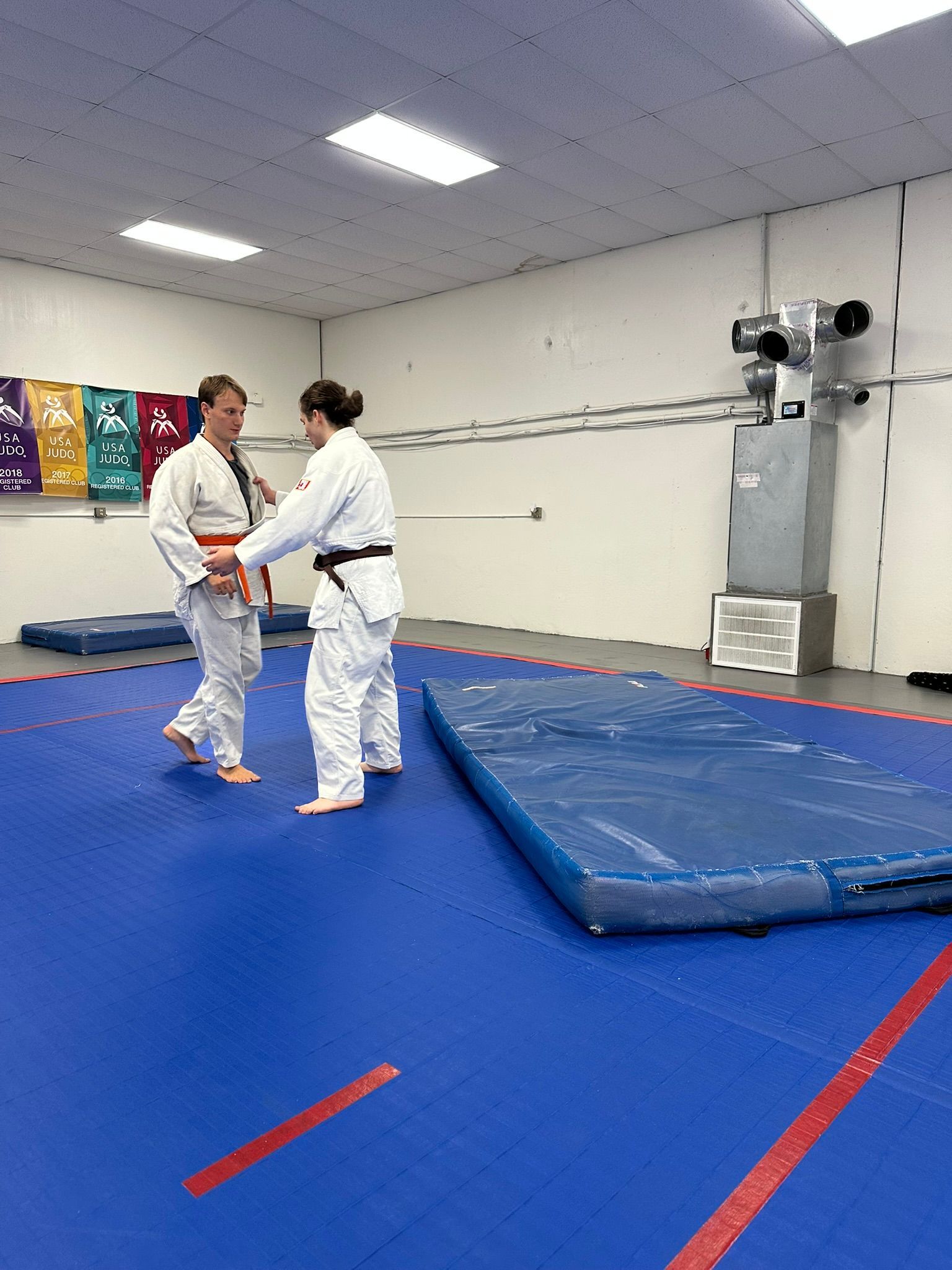
Judo is one of the most practical ways to build real athletic confidence, and starting is simpler than most people expect.
If you have been curious about Judo but keep wondering where to begin, you are in the right place. We work with beginners every week who show up with the same questions: What should I wear, will I get thrown on day one, and how do I know if this is a good fit for my kid or for me?
Judo is an Olympic sport with a surprisingly deep science behind it. More than 30,000 academic papers on judo were published from 2014 to 2024, digging into biomechanics, conditioning, and performance analysis. That matters for you because modern coaching is less about guessing and more about progress you can actually feel.
Here in Pasadena, TX, we also see something practical: families want an activity that improves fitness, focus, and confidence without needing a perfect starting point. Whether you are looking for youth Judo in Pasadena or you want a new adult challenge, our job is to make your first steps clear, safe, and enjoyable.
What Judo Is and Why It Works So Well for Beginners
Judo is a grappling martial art built around balance, leverage, and control. Instead of relying on size or brute strength, you learn how to move, off-balance an opponent, and finish with throws, pins, and submissions in a controlled way. In plain terms, you learn how to use technique to solve physical problems.
One reason Judo is so approachable is that it is structured. There is a clear learning path: how to fall safely, how to move, how to grip, and how to apply a small set of core techniques with better timing over time. You do not need to be “tough” to start, but you do need consistency, and we help you build that.
It is also worth knowing that Judo rewards long-term development. Olympic competitors often peak around age 27 (median), which is a reminder that the sport supports a long runway of skill-building. Youth training is not rushing kids into competition; it is building coordination, confidence, and the habits that pay off later.
Step 1: Choose Your “Why” Before You Choose Your Schedule
Before your first class, take two minutes and decide what you want from Judo. That helps us guide you into the right pace and the right expectations.
Common goals we hear include getting in shape without staring at a treadmill, learning practical grappling for self-defense, helping kids develop focus and respect, and finding a hobby that feels both athletic and mentally engaging. Judo checks all of those boxes, but the path looks a little different depending on your priority.
If your goal is fitness, we focus on movement quality, conditioning that supports joint health, and steady intensity you can maintain. If your goal is youth development, we keep training fun, structured, and safe while teaching discipline in a way kids actually absorb. If your goal is self-defense, we focus on grips, balance, getting to a dominant position, and staying calm under pressure.
Step 2: Start With a Beginner-Friendly First Class Plan
A lot of beginners imagine the first day is all throwing. It is not. A smart first class is about learning the environment, learning safety, and building a foundation that makes everything else easier.
Expect a simple flow: warm-up, basic movement drills, breakfalls, technique practice, and a controlled partner segment. We keep the pace realistic. You might leave a bit sweaty and a bit proud, and that is a good outcome.
Here is what we focus on early because it makes the rest of Judo safer and more fun:
- Learning how to fall (ukemi) so throws are not scary
- Understanding basic posture and balance
- Practicing footwork that supports control and timing
- Introducing grips and movement without muscling through
- Building comfort working with different partners respectfully
That foundation is the difference between “surviving class” and actually learning Judo.
Step 3: What to Wear and When to Buy a Judo Gi
For your first session, you can usually start in comfortable workout clothes. Think athletic shirt and pants or leggings that let you move. Avoid anything with zippers, sharp hardware, or pockets that can snag. Bring water, and if you have long hair, tie it back. Simple stuff, but it helps.
Once you decide to continue, you will want a judo gi. There is a reason search interest for “judo gi” tends to spike around back-to-school season, especially in August and September: many people begin training when schedules reset. If you are starting around that time, plan ahead so you are not scrambling for sizing.
We recommend a cotton gi for most beginners because it is comfortable, durable, and easy to care for. Cotton uniforms are also trending as people look for more sustainable, long-lasting options. We will help you choose a size that allows movement without being overly baggy, since that affects grip fighting and safety.
Step 4: Understand How Youth Judo Training Should Look
When families ask about youth Judo in Pasadena, the big concern is safety and the second concern is confidence. We get it. The key is teaching the right skills at the right time with the right amount of structure.
Youth classes should emphasize movement literacy: rolling, crawling patterns, balance games, and falling skills. Those are not “just games.” They build coordination, spatial awareness, and the ability to stay calm when things get physical. We also teach clear mat etiquette, listening skills, and respectful partner behavior, because that is part of martial arts training, not a side note.
As kids progress, we add more technical detail. They learn grips, kuzushi (off-balancing), and basic throws, then control positions like pins. Done correctly, youth training creates a confident child who understands boundaries and can handle pressure without panicking.
Step 5: Know What Adult Beginners Should Expect (No, You Are Not “Too Old”)
Adults often show up worried about flexibility, injury, or being out of shape. Judo is demanding, but it is scalable. We progress intensity and complexity over time, and we adjust training to match the room.
Adult training tends to feel satisfying because it is problem-solving with your whole body. You learn timing, balance, and how to generate power from hips and posture, not from strain. Many adults also appreciate the mental reset. When you are practicing throws or pins, you cannot multitask. It is a rare kind of focus.
If your body is stiff or you have an old injury, tell us early. We can give you options and progressions. The goal is to train consistently, not to “win” the warm-up on day one.
Step 6: Learn the Safety Rules That Make Judo Sustainable
Judo has a reputation for big throws, but quality coaching makes it safe by prioritizing fundamentals. Safety is not a single lecture, it is a set of habits we repeat until they become automatic.
We emphasize:
- Breakfalls before higher-amplitude throwing
- Partner communication so intensity stays appropriate
- Proper mat spacing and awareness to prevent collisions
- Controlled drilling before any live practice
- Tapping early on submissions and respecting taps immediately
These habits are also part of why Judo builds confidence. You learn how to handle contact with control, not chaos.
Step 7: Build a Simple Training Routine You Can Actually Keep
Consistency beats intensity for beginners. A realistic schedule helps your body adapt, helps techniques “stick,” and keeps training enjoyable instead of exhausting.
A good beginner plan is usually two classes per week. That is enough exposure to retain movement patterns without feeling like you live on the mat. If you want faster progress and recovery feels good, adding a third day can help. We also encourage basic at-home work like light mobility, walking, and hydration. Not glamorous, but it works.
If you are starting during busy seasons, like late summer and early fall, plan your gi purchase and your class days early. That is when many families jump into new routines, and staying organized makes the first month smoother.
Step 8: Track Progress the Right Way (Not Just by Wins)
People sometimes measure progress by whether techniques “work” immediately during live rounds. That is a rough way to judge early development. In Judo, you should also track foundations: better balance, smoother breakfalls, improved grips, and calmer breathing under pressure.
Modern Judo coaching increasingly uses evidence-based training ideas, and the sport keeps evolving at high levels with changing performance metrics from major events. You do not need to be an elite athlete to benefit from that mindset. We coach you with clear objectives so your training has direction, not guesswork.
A simple way to track progress is to notice what feels different after four weeks: you move more confidently, you understand positions faster, and you recover quicker. Those are real wins.
Step 9: Get Answers to Common Pasadena Beginner Questions
What age is best to start?
Kids can start young as long as classes are age-appropriate and focus on safety, movement, and attention skills. For adults, starting later is normal. Judo supports long-term development, and many people train for years with steady improvement.
Do I need to be in shape first?
No. Training is how you get in shape. We scale intensity and build your conditioning through the work itself.
Is Judo only for competition?
Not at all. Competition is optional. Many students train for fitness, confidence, and practical grappling skill. If you do want to compete, we can guide you step by step.
What should I bring to class?
Water, comfortable training clothes for your first day, and a willingness to learn. Once you commit, we will help you get the right judo gi.
How do I find Judo classes in Pasadena?
Our website and the class schedule page are the simplest way to see times that fit your week, and we can help you choose the right starting point.
Take the Next Step
If you want a clear path into Judo without feeling overwhelmed, we have built our onboarding to be straightforward: fundamentals first, safety always, and progress you can measure. The right start matters because it shapes how confident you feel in every class that follows.
At Champion Martial Arts & Fitness, we make it easy to try a class, ask questions, and settle into a routine that fits real life in Pasadena. When you are ready, we will guide you from your first breakfall to your first clean throw, one step at a time.
Continue your Brazilian Judo journey beyond this article by joining a class at Champion Martial Arts & Fitness.