
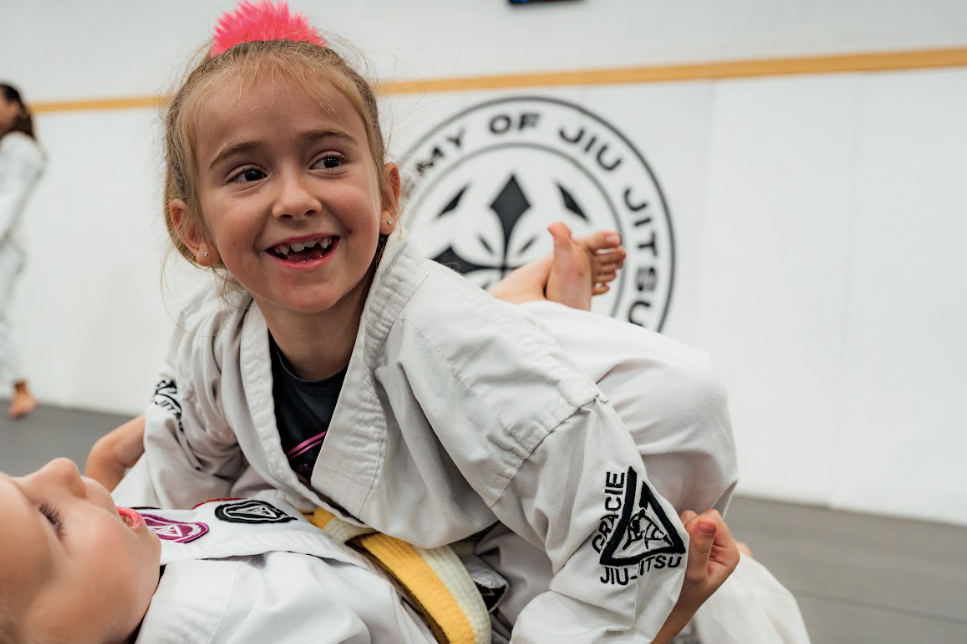
Real progress in Judo rarely shows up all at once, but you can usually spot it in the way a student stands, moves, and speaks.
Walk into our mat space on a regular class day and you will notice something pretty quickly: the transformations are rarely loud. You see them in the kid who used to cling to a parent’s sleeve and now jogs to the warmup line without being asked. You see it in the teen who once avoided partner work and now offers a steady grip and makes eye contact. You see it in the adult who used to say, “I’m not athletic,” and now falls safely, gets up smoothly, and laughs about how different that feels.
That is why we wanted to share real Judo success stories from right here in Pasadena. Not glossy, perfect-before-and-after stories, but honest ones. The kind that show how training can change balance, focus, confidence, and everyday behavior in ways families can actually measure. If you are searching for Judo in Pasadena because you want structure after school, a healthier outlet, or a skill your child can grow into, these student journeys will give you a clear picture of what training can look like over time.
What we mean by a real Judo transformation
A transformation is not just learning how to throw. In our Judo classes, progress shows up in fundamentals that carry into school, sports, and day to day life: coordinated movement, body control, emotional regulation, and the ability to stay calm while solving a problem with a partner.
Research is starting to back up what we see on the mat. Reviews have found positive effects of judo training on motor competence in kids and teens, especially balance and coordinated movement. A 2024 study in preschoolers reported significantly better cognitive and motor performance in children who practiced judo compared to non-practicing peers. Longer-term participation also connects to health outcomes like improved body composition, bone health, and cardiorespiratory fitness when training is consistent for at least nine months.
We like those findings because they describe real, practical outcomes. When your child can coordinate feet, hips, and hands in a throw entry, it is not just “martial arts.” It is physical literacy. When your child can take a controlled fall and pop back up safely, it is not just a skill for the mat. It is confidence in movement.
Success story 1: Mateo, age 7, from restless energy to steady balance
When Mateo first started, our instructors noticed the same thing his parents told us at the front desk: he had a lot of energy, and it spilled everywhere. During warmups, he would sprint ahead, then forget the next drill. During partner work, he wanted to “win” quickly, which usually meant using muscle instead of listening.
The early goal was simple. We wanted him to slow down without feeling punished for being energetic. So we leaned into Judo basics that force the body to organize itself: stance, footwork, grip fighting with clear rules, and breakfalls done the same way every time.
About three weeks in, his mom mentioned something that stuck with our coaching team. She said he had started practicing his back breakfall on a carpeted area at home, then stopping himself and resetting because “coach said hands slap, chin tucked.” That detail mattered. It showed he was not just moving, but paying attention to how he moved.
By the end of his first couple months, we saw the change in three areas:
• Balance: He stopped tipping forward during entries and began stepping with intention.
• Listening: He started repeating key cues quietly to himself before drilling.
• Social comfort: He began pairing up faster and stopped avoiding certain partners.
If you are considering Youth Judo in Pasadena for an active child, Mateo’s story is a good example of how Judo channels energy rather than trying to squash it. We did not try to turn him into a different kid. We helped him build controls that made his own personality easier to manage.
Success story 2: Alyssa, age 12, from “I’m too small” to confident in contact
Alyssa came in with a common worry: size. She was smaller than many classmates at school, and she assumed that any grappling sport would be rough or overwhelming. On her first day, she was polite and quiet, but you could tell contact made her tense up. Her shoulders stayed high, her grip was light, and her eyes dropped when it was time to practice a throw.
We took a patient approach and did not rush her into intensity. In Judo, that is the beauty of fundamentals. We can build confidence through safe repetition: breakfalls, movement drills, posture control, and learning how to fit in for a throw without finishing it at full speed.
Around week four, one of our instructors made a small adjustment that changed her whole experience. Instead of telling her to “commit more,” we asked her to focus on one technical cue: step in, turn the hips, and freeze in the correct position for two seconds. No throw, no rush. Just precision.
That two-second pause did two things. First, it gave her proof that she could get into strong position. Second, it reduced the fear response that comes from feeling out of control. Once that clicked, her progress sped up in a calm, steady way.
Her dad later told us her posture changed at school. Not in a dramatic way, but in a noticeable one. She stood straighter, spoke up faster, and stopped shrinking back when someone crowded her space. That is one of the underrated outcomes of Judo in Pasadena: kids learn what stable posture feels like, and then they start using it everywhere.
Success story 3: Chris, 34, from desk stiffness to “I can move again”
Adults often show up with a different kind of hesitation. Chris told us he felt stiff, out of shape, and honestly a little embarrassed that he might be the least coordinated person in the room. He also worried about safety, especially falling.
So we built his first month around safe movement patterns and confidence in the basics. That meant learning to fall the right way, learning how to stand up without rushing, and drilling entries at a pace that allowed his joints to adapt. We also emphasized partner communication. In our classes, you are not thrown into chaos. You learn how to be a good training partner, and that makes everything safer.
By the second month, Chris noticed improvements he could describe clearly: better hip mobility, better balance on one leg during footwork drills, and less tightness in his back after long workdays. Those changes match what organized judo training can provide over time, including fitness improvements when training is consistent.
What we appreciated most was his mindset shift. He stopped talking about being “bad at sports” and started talking about learning a skill. That is the adult version of transformation: not just fitness, but identity. You become someone who trains.
Why these outcomes are not just “confidence and discipline” talk
Plenty of youth activities claim they build confidence. We prefer to be specific, because you deserve specifics when you choose an after-school program.
Here are a few outcomes we see often in Judo training, and how they connect to what research has been highlighting in recent years:
• Motor competence and balance: Judo demands coordinated steps, turns, posture control, and safe falling, which aligns with findings showing improved motor competence in children and adolescents.
• Cognitive performance and focus: Structured drills, pattern learning, and controlled partner work support attention and decision-making, consistent with studies showing better cognitive and motor performance in young judo participants.
• Emotional regulation: Students learn to breathe, reset, and try again after mistakes. Youth martial arts research links training with better impulse control and stress coping.
• Health and fitness over time: With consistent participation, students build conditioning and body awareness, and longer-term studies connect organized judo classes with improvements in fitness and health markers.
If your main goal is “confidence,” we will still help with that, but we will talk about it in a real way. Confidence often comes from competence. When you can fall safely, move your feet, and solve a grip problem without panicking, confidence is a natural side effect.
Why Pasadena families are leaning into Youth Judo
Pasadena has a strong youth-sports culture. City programs reported 4,808 youth participants in 2024, and that tells us something important: families here value organized activities, coaching, and structured environments.
For many parents we talk with, Youth Judo in Pasadena fits because it checks multiple boxes at once. It is physical, but it is also technical. It builds toughness, but it also teaches control. And it gives kids a place to be challenged without being judged.
We also hear practical concerns that feel very Pasadena-real: “My child needs an outlet after school,” “We want less screen time,” “We want respectful behavior,” “My kid is active but gets frustrated easily.” Judo answers those concerns through the class format itself. Students bow in, line up, warm up together, drill with a partner, and learn to take feedback. That rhythm matters.
Your first 30 days in Judo: what progress usually looks like
One reason families hesitate is uncertainty. What happens in the first month? Will my child get thrown around? Will I be lost? We keep the first 30 days structured so you can feel the progress.
Here is what most beginners work on in our first month:
1. Breakfalls and safe landing mechanics so you can train with confidence
2. Basic stance, footwork, and posture control for balance and coordination
3. Simple grip concepts and partner etiquette to keep training respectful
4. Intro throws and controlled entries, often paused or finished slowly at first
5. Ground basics like pins and escapes, taught with safety and clear rules
You will notice we measure progress by quality, not by rushing to “advanced” moves. In Judo, the basics are not just basics. They are the whole foundation.
Beginner FAQ for Judo in Pasadena
What age can my child start Judo?
We work with kids at different stages of development, and we will point you toward the best class based on maturity, attention span, and coordination, not just a birthday.
Is Judo safe for beginners?
Yes, when taught progressively. Safety starts with breakfalls, pacing, and partner rules. We prioritize controlled drilling before higher-speed throwing.
Do kids need to be athletic before starting?
No. Many students build athleticism through training. Judo develops coordination and balance over time, so beginners often start exactly where you are.
How often should a child train to see results?
Consistency matters more than intensity. Most families see meaningful changes when training becomes part of the weekly routine, and longer-term benefits show up with months of steady participation.
What should a beginner wear to class?
Comfortable athletic clothes are usually fine for a first class. If you stick with it, we will guide you on getting the right uniform for training and safety.
Is Judo good for smaller or less confident kids?
Yes, because technique, posture, and timing matter. Smaller students often do well once they learn positioning and balance.
How is Judo different from other martial arts?
Judo stands out for its emphasis on throws, clinch control, and safe falling. That “falls and throws” skill set is a practical differentiator for physical literacy and confidence in movement.
Take the Next Step
If you want a program where progress is visible in balance, focus, and calmer decision-making, we have built our Judo training around exactly that. The stories above are not rare outcomes to us, because we coach fundamentals, track steady improvement, and keep the environment respectful and structured.
When you are ready, Champion Martial Arts & Fitness is here in Pasadena to help you or your child start with a clear plan, a safe pace, and real coaching that makes the first month feel doable.
Find a place where discipline, growth, and teamwork come together at Champion Martial Arts & Fitness.