
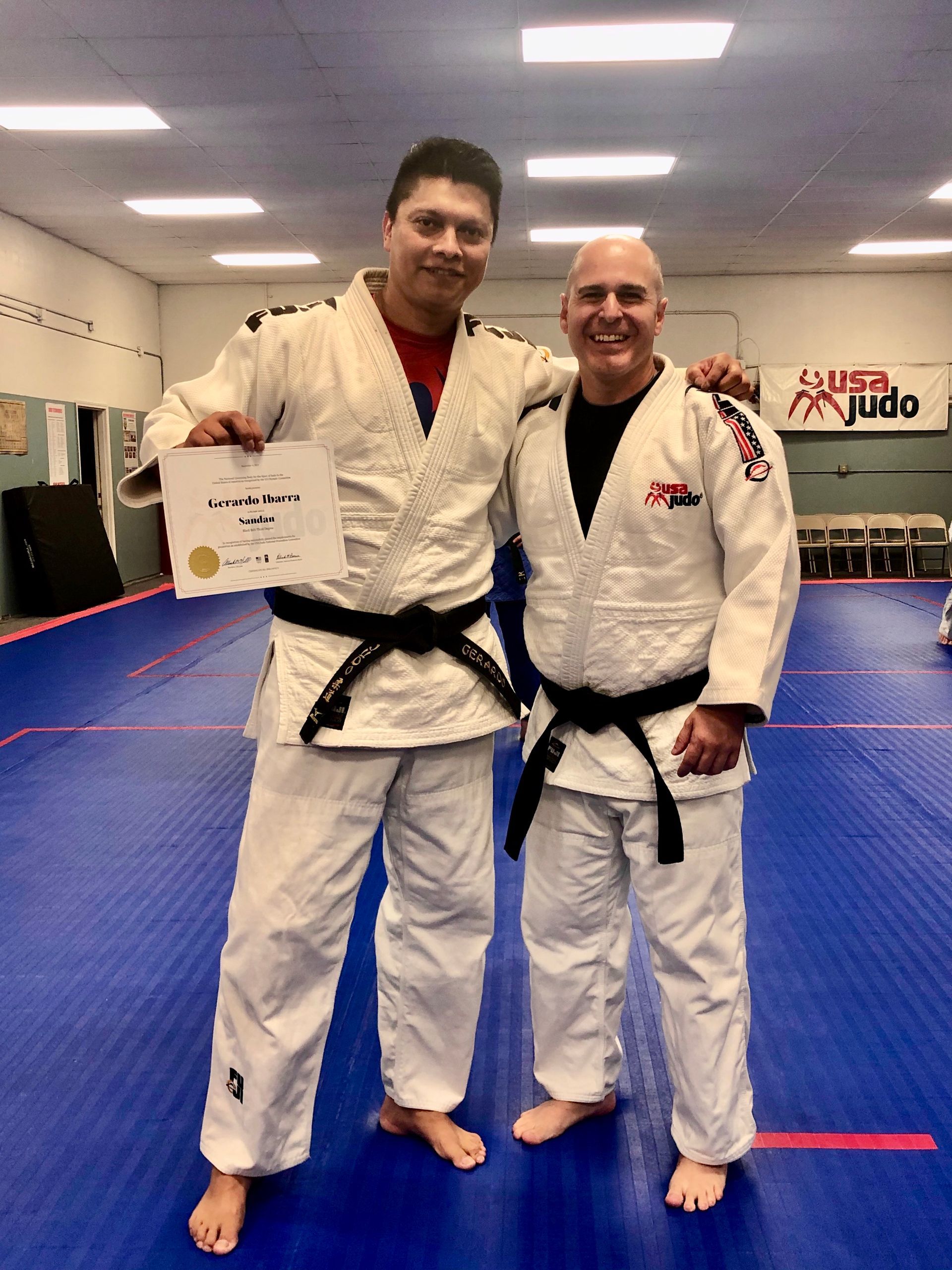
Judo turns your post-work burnout into a clear, energized reset you can feel after the very first class.
Workdays in Pasadena can feel like a long stretch of meetings, problem-solving, and screen time, and by the time you clock out, your brain is still humming. That is exactly why we like recommending Judo for busy professionals: it is physical enough to wake your body up, technical enough to quiet mental noise, and structured enough to fit into real life.
In our evening classes, you are not expected to arrive already motivated or already in shape. You just need to show up. Judo gives you something many workouts miss: a purpose. Instead of grinding through random reps, you practice skills, timing, and controlled intensity that can leave you calmer and sharper on the drive home.
If you have been searching for Martial Arts in Pasadena that feels practical, time-efficient, and surprisingly restorative after a stressful day, you are in the right place. Let’s break down how Judo works, why it helps professionals, and how we make it realistic to train consistently even with a packed schedule.
Why Judo Works So Well After a Mentally Demanding Day
Judo is a grappling-based martial art built around balance, leverage, and timing. That matters for professionals because it rewards thinking under pressure, not just brute force. When your day has been nothing but decisions, conversations, and deadlines, you want an activity that pulls you into the present moment. Judo does that fast.
There is also a built-in “off switch” effect. During training, you cannot multitask. You cannot check your phone. You cannot half-focus. You have a partner in front of you, and your job is simple: move well, breathe, and solve the problem you are given. That narrow focus is one of the quickest ways we know to transition out of work mode.
Physically, Judo is full-body without being mindless. You use your legs, hips, core, grip, and posture constantly, and you develop coordination that carries into daily life. Many students tell us they feel looser through the shoulders and back after a few weeks, which makes sense when your posture all day has been desk-based.
Energy Versus Exhaustion: The “Right” Kind of Hard
A lot of professionals avoid evening training because they assume it will wipe them out. We understand that concern, and we coach classes so intensity is productive, not reckless. Judo can be challenging, but it is also scalable. The better your technique gets, the less you need to rely on raw effort.
When you train the right way, you finish class with a different kind of fatigue: the kind that helps you sleep, not the kind that makes you dread tomorrow. You get a workout, but you also get a nervous-system reset. That balance is a big reason people stick with Judo long term.
We also build training around good habits that protect your energy. Warm-ups prepare your joints. Drilling builds skill without max effort. Live practice happens with control and clear boundaries. You are here to improve, not to prove something after a long day at work.
Focus, Decision-Making, and the Mental Skills Behind Judo
Judo is sometimes called “physical chess,” and while that can sound a little dramatic, the idea is accurate. You learn to read posture, grip, and momentum, then choose a response quickly. That mental pacing is incredibly useful for professionals who need better focus and emotional control under stress.
In class, you practice staying calm when something is not going your way. A partner off-balances you, you recover. A throw attempt starts, you adjust. That habit of responding instead of reacting is one of the most valuable takeaways from training.
Over time, many students notice their attention improves outside the gym. It is not magic. It is practice. Judo repeatedly puts you in situations where you must prioritize, adapt, and commit to a choice. You can feel that skill transfer into work conversations, presentations, and even the way you handle traffic after a long day.
What a Typical After-Work Judo Class Looks Like
If you are picturing a room full of advanced athletes flying through the air, take a breath. We run classes that welcome beginners while still keeping experienced students progressing. The structure is consistent, which helps when your schedule is unpredictable.
Most classes include movement prep, technique instruction, drilling, and controlled partner practice. We focus on fundamentals first: posture, gripping, footwork, breakfalls, and safe movement on the mat. Safety is not a side note in Judo. It is part of the art.
You will also get coaching that makes the learning feel doable. We do not throw ten techniques at you and hope something sticks. We prefer fewer concepts taught well, with time to repeat them enough that your body actually remembers.
The Big Benefits Busy Professionals Notice First
We love long-term development, but we also respect that you want results you can feel soon. Here are changes professionals commonly notice within the first few weeks of consistent Judo training:
• Better “end of day” mood because class creates a clean mental boundary between work and home
• More stable posture and core engagement from gripping, balance work, and controlled movement
• Improved confidence in close-range situations because you practice real contact and real timing
• A stronger cardio base without needing long, boring sessions on machines
• Sharper focus because training forces you to be present and responsive
None of these require you to become a competitor. They come from simply training consistently and letting the process work.
Judo in Pasadena: Making Training Fit a Real Schedule
When you are busy, the biggest challenge is not motivation, it is logistics. That is why we keep our program organized and predictable. You can check the class schedule page, plan your week, and know what you are walking into. A consistent rhythm makes it easier to protect your training time like any other important appointment.
We also coach with “busy adult reality” in mind. Maybe you travel for work. Maybe you have kids. Maybe your workday runs late more often than you would like. We help you build a training cadence you can sustain, even if that starts with just one or two classes per week.
Consistency beats intensity almost every time. One hard week followed by three weeks off does not build much. But steady training, even at a moderate pace, creates real progress in fitness, skill, and stress management.
Starting Judo as a Beginner (Without Feeling Awkward)
Most adults worry about being the new person. That is normal. Judo has a learning curve, but it is also surprisingly beginner-friendly when it is taught in a structured way. We start with safety and movement fundamentals so you feel grounded quickly.
Expect to learn how to fall safely early on. Breakfalls are empowering because they reduce fear. Once you trust your ability to hit the mat safely, your body relaxes, and learning becomes faster. From there, we build core throws, pins, and positional control with clear steps.
You do not need a perfect body type or an athletic background. Judo was built around leverage and timing for a reason. If you can practice, you can improve.
How We Progress Your Training Without Burning You Out
Professionals often ask how to train hard while still having energy for work and family. Our answer is progression. We treat your training like a long-term plan, not a quick sprint.
Here is the general path we use to build skill and conditioning safely:
1. Foundations first: posture, movement, gripping basics, and breakfalls
2. Core techniques: a small set of reliable throws and pins you can repeat often
3. Situational practice: starting from specific grips or positions to sharpen decision-making
4. Controlled live rounds: applying skills with a partner while keeping safety and learning first
5. Refinement: improving timing, efficiency, and composure so effort drops and results rise
This approach is one reason Judo feels sustainable. You build capacity in layers, and you learn to train with your brain as much as your body.
Stress Relief You Can Actually Measure
Stress relief is a fuzzy phrase until you feel it. With Judo, the feedback is clear. Your breathing changes. Your shoulders drop. Your mind stops replaying emails. You leave class with a sense that you did something real, not just another task.
We also see professionals benefit from the social side of training. Not networking. Not small talk you have to perform. Just the simple relief of being around people who are working on something challenging together. That matters more than people expect.
And yes, you get stronger. Grip strength improves. Hips and legs get more powerful. Your conditioning climbs. But for many busy adults, the bigger win is how training changes the tone of the evening. You eat better, sleep better, and show up the next morning more balanced.
Take the Next Step
If you want an after-work routine that builds skill, fitness, and a calmer kind of confidence, Judo is a smart place to invest your time. We keep training structured, beginner-friendly, and challenging in the right ways, so you can leave work behind without feeling like you added another exhausting obligation to your week.
When you are ready to experience Judo in Pasadena with a supportive coaching approach and a clear class schedule, we would love to help you get started at Champion Martial Arts & Fitness.
Build solid throws, balance, and grappling skills by joining a Judo program at Champion Martial Arts & Fitness.