
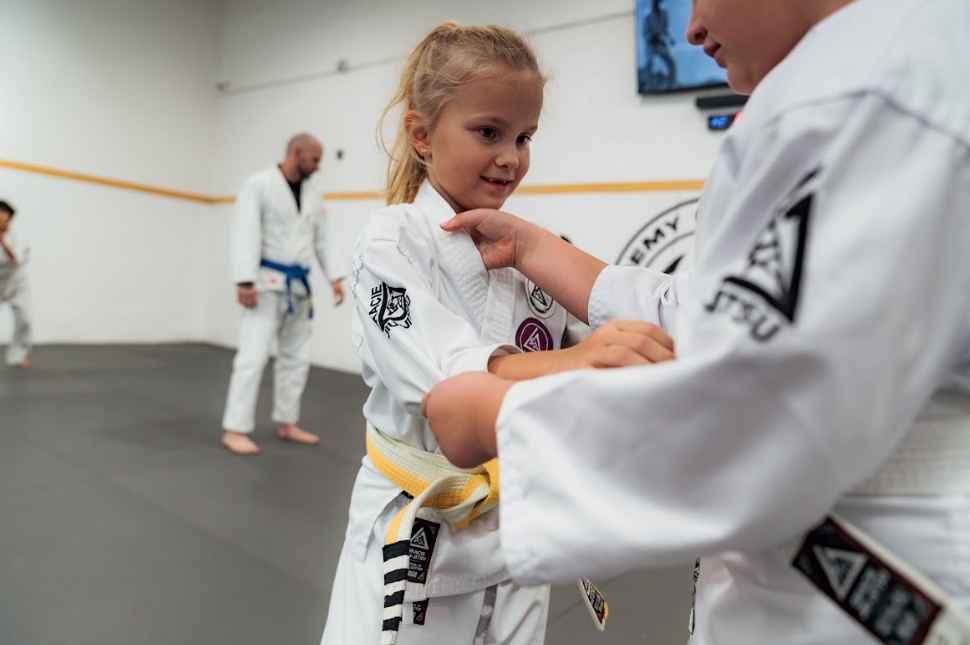
When your whole household can train together, fitness stops feeling like a chore and starts feeling like your new routine.
Families in Pasadena are busy. Between school, work, practices, and the never-ending to-do list, it can be tough to find one activity that actually works for everyone. That is one reason Martial Arts keeps rising to the top for family fitness and fun: it is structured, active, and surprisingly adaptable for different ages and starting points.
We also like that training is not just “get sweaty and go home.” In a good class, you move your body, learn a skill, and walk out with a clear sense of progress. Kids feel it right away. Adults usually notice it later, often when stairs get easier, posture improves, and stress feels less sticky.
If you have been searching for a consistent after-school activity, a practical way to build confidence, or a plan to get the whole family moving, Martial Arts fits the real-life shape of Pasadena schedules better than most options.
Why Martial Arts Works So Well for Family Fitness in Pasadena
A family fitness plan has to do more than burn calories. It has to keep you coming back. Martial Arts helps because classes give you a repeatable structure: warm-up, technical practice, partner drills, and cool-down. That rhythm matters when you are trying to build a habit, especially with kids.
Another advantage is scalability. In the same week, a child can learn basic movement skills and listening habits while a parent focuses on conditioning, coordination, and controlled technique. Everyone trains at an appropriate level, but it still feels like a shared journey, not separate lanes.
And for Pasadena families, convenience matters. Our programs are designed for local schedules, with options that make it realistic to train consistently instead of “when life calms down,” because life rarely does.
Fitness You Can Measure Without a Stopwatch
Some workouts feel random, like you did a lot but cannot explain what improved. Martial Arts training tends to be more measurable. You can feel your balance get steadier. You can see your footwork get cleaner. You can tell when your cardio improves because you recover faster between rounds.
Over time, families usually notice changes like:
- Better mobility and coordination from repeated movement patterns
- Stronger core stability from stance, grappling fundamentals, and controlled transitions
- Improved cardiovascular endurance through paced rounds and active drilling
- More functional strength, the kind you use in daily life, not just on machines
That “practical fitness” is a big reason people stick with it. You are not only getting in shape. You are learning to move well.
Discipline and Confidence: The Benefits That Carry Into School and Work
We hear a lot of parents talk about focus, confidence, and behavior, and it makes sense. A class requires attention to detail. Kids practice how to follow directions, how to reset after mistakes, and how to keep going when something is challenging. Those are life skills, even if it starts with learning a stance or a breakfall.
For adults, the confidence often comes from consistency. Showing up, learning something new, and handling controlled pressure in training can change how you carry yourself outside the gym. It is not about being aggressive. It is about being capable, calm, and prepared.
That mindset shift is subtle at first, then it becomes obvious. You handle stress differently. Your posture changes. You start trusting your ability to learn hard things.
Family Bonding That Does Not Feel Forced
A lot of “family time” ideas sound nice but do not land in real life. Martial Arts is different because you are doing something together, not just sitting next to each other. You share small wins. You laugh at awkward footwork. You celebrate belt progress or technique milestones. It builds connection without needing a big speech about bonding.
Parents also get a front-row view of how their kids respond to coaching, effort, and teamwork. That feedback is valuable. It can shape how you encourage your child at home, because you see what actually motivates them.
Youth Judo in Pasadena: A Smart Starting Point for Kids
If you are specifically looking for youth Judo in Pasadena, you are on a strong track. Judo is approachable for beginners and incredibly useful for developing coordination, balance, and body control. It teaches kids how to fall safely, how to move with intention, and how to use leverage instead of relying on size.
Judo also builds respect in a very concrete way. Bowing, partnering, and practicing controlled technique are not empty rituals. They teach kids to take training seriously and to treat training partners with care. That is one reason Judo feels like a good fit for families who want a structured environment.
And yes, it is fun. There is a playful side to learning throws and groundwork when it is taught progressively and safely. Kids tend to enjoy the mix of movement, challenge, and clear goals.
What Kids Learn in Beginner-Friendly Judo Classes
Our Judo classes in Pasadena are designed to be welcoming, especially for children who are brand new to martial arts. Early training focuses on fundamentals that make everything safer and more successful later.
Here are a few skills we build step by step:
- Breakfalls and safe landing mechanics so kids learn how to protect themselves
- Balance and posture so movement becomes more controlled and confident
- Grips and positioning to understand how to manage distance and leverage
- Simple takedown and groundwork concepts taught with safety and supervision
- Respectful partner habits, including awareness and appropriate intensity
When kids get these basics, confidence tends to rise naturally because training stops feeling confusing. It starts feeling doable.
Safety: How We Keep Training Age-Appropriate and Controlled
“Is Martial Arts safe for kids?” is one of the most common questions we get, and it is the right question. Any physical activity has risk, but good coaching and structure reduce that risk dramatically.
We prioritize progressive learning. Beginners do not jump into advanced contact. Kids learn control before intensity. Adults learn technique before speed. We also emphasize warm-ups that prepare joints and muscles, not just burn energy.
A safe environment is not only about rules. It is about culture. When students learn to take care of partners, the whole room improves.
What to Expect in Your First Class (So You Can Relax)
Walking into a new gym can feel a little strange, even if you are excited. Our first classes are meant to be clear and welcoming. We would rather you ask questions than pretend you understand everything on day one.
In a typical first class, you can expect a simple flow:
1. A guided warm-up focused on mobility, balance, and basic movement
2. Instruction on one or two fundamental techniques with clear coaching cues
3. Drills that let you repeat the technique safely and build comfort
4. Light conditioning that matches your level, not someone else’s
5. A quick wrap-up so you know what to practice and what comes next
For kids, the experience usually feels like structured play with real coaching. For adults, it often feels like a workout with a purpose, which is a nice change from mindless reps.
What to Wear and Bring
You do not need a closet full of gear to begin. Comfortable workout clothes are enough for your first session, and we will guide you on uniforms and equipment as you continue. Bring a water bottle, show up a few minutes early, and come ready to learn. That is it.
How Often Should Families Train to See Results?
Consistency beats intensity, especially for families. Most people do well starting with two sessions per week. That is enough to build skill and fitness without overwhelming your schedule. Kids often benefit from routine, so having set training days can reduce the “do we have to go?” friction.
If your goal is faster improvement, three sessions per week can make a noticeable difference, particularly for cardio and technique retention. The best plan is the one you can maintain for months, not just for two enthusiastic weeks.
Parents and Kids Training Together: What That Looks Like
Training together does not always mean being in the exact same class doing the exact same drills. Sometimes it means parallel progress, where your child is building fundamentals and you are building yours. The shared experience is still real. You speak the same language about effort, practice, and improvement.
For some families, it becomes the highlight of the week: a place where phones are down, attention is up, and the rest of the day fades out for a while. That kind of reset is hard to find.
Martial Arts as a Pasadena Lifestyle Choice, Not a Short-Term Kick
Quick fitness trends come and go. Martial Arts tends to stick because it grows with you. A beginner becomes a confident student, then a more advanced practitioner who keeps learning. Kids mature into teens with better body awareness and self-control. Adults build strength and resilience that supports everyday life.
That long-term value matters in Pasadena, where families want an activity that is not just a seasonal hobby. Training gives you a path, not a deadline.
Take the Next Step
Building a healthier, more confident family does not require a perfect schedule or a “fitness personality.” It takes a place that makes showing up feel realistic, and a program that keeps progress clear. That is what we aim to deliver every day, especially for families looking for Martial Arts and Judo classes in Pasadena that feel welcoming and purposeful.
When you are ready to train in a supportive environment that blends fitness, skill, and real-world confidence, we would love to help you start. Champion Martial Arts & Fitness is here in Pasadena, and we have built our programs to serve kids, teens, adults, and families who want a better routine, not just a harder workout.
See what makes training at Champion Martial Arts & Fitness unique by joining a martial arts class today.