
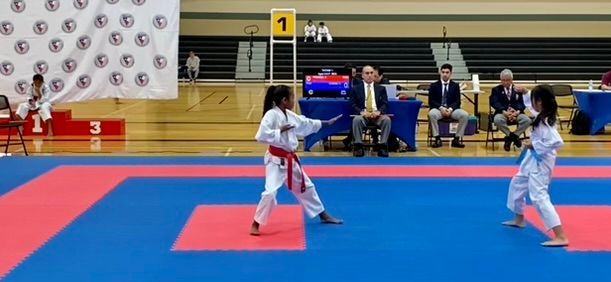
Judo gives Pasadena kids a rare mix of safe physical challenge, real discipline, and confidence that shows up at home and at school.
When parents ask us what makes Judo different for kids, we usually start with a simple truth: it is a full-body sport that also trains the mind. Youth can burn energy, learn control, and practice respect in the same hour, and that combination is hard to find in a typical after-school routine.
In Pasadena, that matters. Our community has plenty of hardworking families and busy schedules, but youth still need structured activity that feels purposeful and consistent. Judo checks those boxes while building practical movement skills, social connection, and the kind of resilience that carries over into everyday life.
We also like that Judo is measurable. Kids can feel progress quickly, and the belt system makes improvement visible without turning training into pressure. For many families exploring Martial Arts in Pasadena, that steady, trackable growth becomes the reason training sticks.
What Makes Judo a Youth-Friendly Martial Art
Judo is a grappling art built around throws, pins, and controlled techniques, not strikes. In plain terms, kids learn how to off-balance a partner, how to land safely, and how to stay calm under pressure. That is exactly why parents who are cautious about contact still feel comfortable with youth Judo in Pasadena.
Safety starts with falling well
If you visit our mat during a beginner cycle, you will see a lot of repetition of breakfalls and rolls. That is not filler, it is the foundation. Learning how to fall safely improves confidence and reduces risk, and it gives kids a skill that helps in real life too, like tripping at recess or taking a tumble on a skateboard.
Research in recent years has also pointed to judo as a smart, structured activity for kids because it emphasizes control, balance, and progressive loading. Injury rates in well-run youth classes compare favorably to higher-impact sports, and when we coach it correctly, the benefits outweigh the risks.
A built-in code of conduct
Judo includes a culture of respect that is not just talked about, it is practiced. Kids bow, listen, take turns, and learn to be responsible training partners. Over time, those habits become automatic, which is why many parents tell us they notice better manners, better patience, and fewer power struggles at home.
The Physical Benefits Pasadena Kids Actually Need
Kids do not just need exercise, they need varied movement. Judo develops strength, coordination, and balance in a way that looks like play at first, but becomes athletic skill over time. Studies from 2022 to 2024 highlight improvements in muscle strength, endurance, speed, coordination, flexibility, and posture, and judo can help kids meet World Health Organization recommendations for moderate-to-vigorous activity across ages 6 to 17.
Here is what we typically see as youth train consistently:
• Better balance and body awareness, because throws and footwork demand stable posture and controlled movement
• Stronger grip and core strength, because holding, turning, and bracing are part of nearly every drill
• Improved coordination, because kids learn to link steps, timing, and hand placement in sequence
• Greater flexibility and mobility, because warmups and technique practice move joints through useful ranges
• More confident athleticism, because kids learn what their bodies can do and stop moving timidly
For Pasadena families concerned about sedentary routines, Judo becomes a reliable weekly anchor. It is not just burning energy, it is developing physical competence.
Judo and the Brain: Focus, Self-Control, and Learning
Parents are often surprised that the biggest changes are not always physical. Judo asks kids to process information quickly: where is the grip, where is the balance, what is the next step, how do we stay safe. That kind of problem-solving under mild pressure is a skill, and we train it every class.
Recent research has connected judo practice with cognitive and neurodevelopmental gains, including central nervous system maturation in younger children and improvements in response inhibition in pre-adolescents. Other studies even associate practice with increases in gray matter in brain areas tied to learning, motor planning, and memory. We cannot promise a specific grade boost, but we can say this: when kids practice listening, adjusting, and trying again on the mat, it often shows up in the classroom as better focus and follow-through.
Why repetition in Judo is not boring
If your child is new, the repetition can look simple: step here, turn there, fall like this. But repetition is where the nervous system learns efficiency. Kids build cleaner movement patterns and faster decision-making, and the confidence that comes from knowing what to do next reduces anxiety in unfamiliar situations.
Emotional and Behavioral Growth That Transfers Off the Mat
One of the strongest arguments for youth Judo in Pasadena is the emotional skill-building. Judo gives kids a safe place to experience frustration, reset, and try again. That is emotional regulation in action, not a lecture.
Programs in school settings have shown meaningful behavior improvements, including dramatic reductions in suspensions in one UK school program. More broadly, research from 2022 to 2024 links judo participation with improvements in self-control, confidence, empathy, and peer relationships, alongside reductions in aggression and stress.
In our classes, we reinforce a few key habits every week:
• Calm breathing before and after rounds, so kids practice regulating their arousal level
• Clear rules and boundaries, so expectations feel stable and fair
• Frequent partner changes, so kids learn adaptability and respectful communication
• Coaches who correct behavior early, so little issues do not become big patterns
A lot of Pasadena parents are not looking for a miracle, just a steady improvement in attitude, patience, and confidence. Judo is not magic, but it is consistent, and consistency changes kids.
Social Benefits: Belonging, Respect, and Better Peer Skills
Youth can feel isolated even when surrounded by people. Judo helps because it is cooperative and challenging at the same time. Kids need partners to learn, and that naturally builds connection. The mat becomes a place where effort matters more than popularity.
We also see shy kids open up because the social script is clear: line up, pair up, practice, thank your partner. For kids who struggle with social cues, that structure is calming. Research supports this, showing judo can improve social inclusion and school engagement, and participants often continue in clubs after structured programs end.
Why This Matters Specifically in Pasadena, TX
Pasadena families live with real pressures, including long workdays, heavy traffic, and the background stress of an industrial corridor. Kids absorb that, even when nobody says it out loud. Add in modern screen habits and rising youth obesity trends across many Texas communities, and it becomes obvious why structured activity is not optional anymore.
Judo gives kids an outlet that is challenging but supervised, physical but thoughtful. It offers a routine that does not depend on being the biggest, fastest, or most naturally athletic. Your child can start exactly where your child is.
What Your Child Learns in Our Beginner Judo Classes
We keep the early phase approachable, but we do not water it down. Kids build real fundamentals, because fundamentals are what keep training safe and effective.
In a typical beginner track, we focus on:
• Safe falling and rolling skills, so kids learn how to protect their head, neck, and shoulders
• Basic movement and posture, so balance becomes a habit instead of a reminder
• Grips and positioning, so kids understand control without roughness
• Simple throws taught progressively, so technique comes before speed
• Pins and escapes, so kids learn persistence and problem-solving under pressure
This is also where many parents notice the first quick win: posture improves, and kids start carrying themselves differently.
How Often Should Kids Train to See Results
Families want a realistic plan, not an unrealistic promise. In our experience, two to three sessions per week is a sweet spot for most kids. Research suggests health and fitness gains can show in as little as eight weeks, while longer timelines of a year or more deepen motor and cognitive benefits.
Here is a simple timeline we share with parents:
1. Weeks 1 to 4: Your child learns basic mat rules, breakfalls, and comfort with partner drills
2. Weeks 5 to 8: Movement sharpens, confidence rises, and you start seeing carryover at home
3. Months 3 to 6: Technique becomes cleaner, conditioning improves, and belt progress feels earned
4. Month 12 and beyond: Skills become natural, and focus, resilience, and social confidence are more consistent
If your schedule is tight, even steady once-a-week training can help, but consistency matters more than intensity.
Common Parent Questions About Youth Judo in Pasadena
Is Judo safe for kids?
Yes, when coached properly. We prioritize breakfalls, supervision, and progressive technique so kids learn control first. Because Judo emphasizes throws and groundwork rather than strikes, many families consider it a safer entry point into Martial Arts in Pasadena.
What age can my child start?
Many kids can start around age 5, and research shows neurodevelopmental benefits even in younger children. We help you choose a class that fits your child’s maturity and attention span, not just a number on a birthday.
Will it help with behavior and school focus?
Often, yes. Judo trains impulse control and emotional regulation in a hands-on way, and studies have linked it to reduced aggression and better school engagement. We also keep class expectations clear and consistent, which helps kids who need structure.
What about cost, uniforms, and belts?
We aim to keep training accessible and straightforward. Belt progression gives kids a visible goal, and we can walk you through uniform details when you start, including options for beginners.
Take the Next Step
If you want an activity that builds your child’s body and their character at the same time, Judo is one of the most practical choices you can make. It teaches safe movement, real self-control, and the ability to stay calm while working through a challenge, which is a skill your child can use anywhere in Pasadena.
At Champion Martial Arts & Fitness, we run youth classes with a clear progression, supportive coaching, and a schedule designed for school-day routines. When you are ready, we would love to help your child take that first step onto the mat and start building momentum.
Curious about Judo training? Join a class at Champion Martial Arts & Fitness and learn from the ground up.